


Jorge Rodríguez: “Underground oil must be converted into schools, hospitals, and roads”
The president of Venezuela’s National Assembly reaffirms that oil wealth must be converted into social assets and announces a profound reform of the legal framework to consolidate a model of social justice and energy sovereignty.
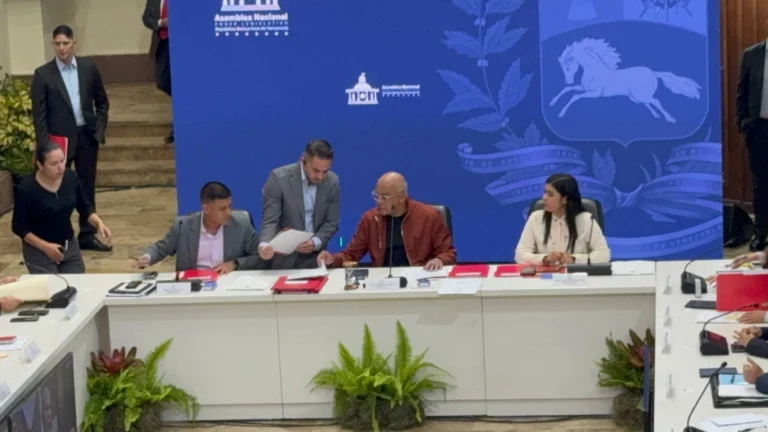
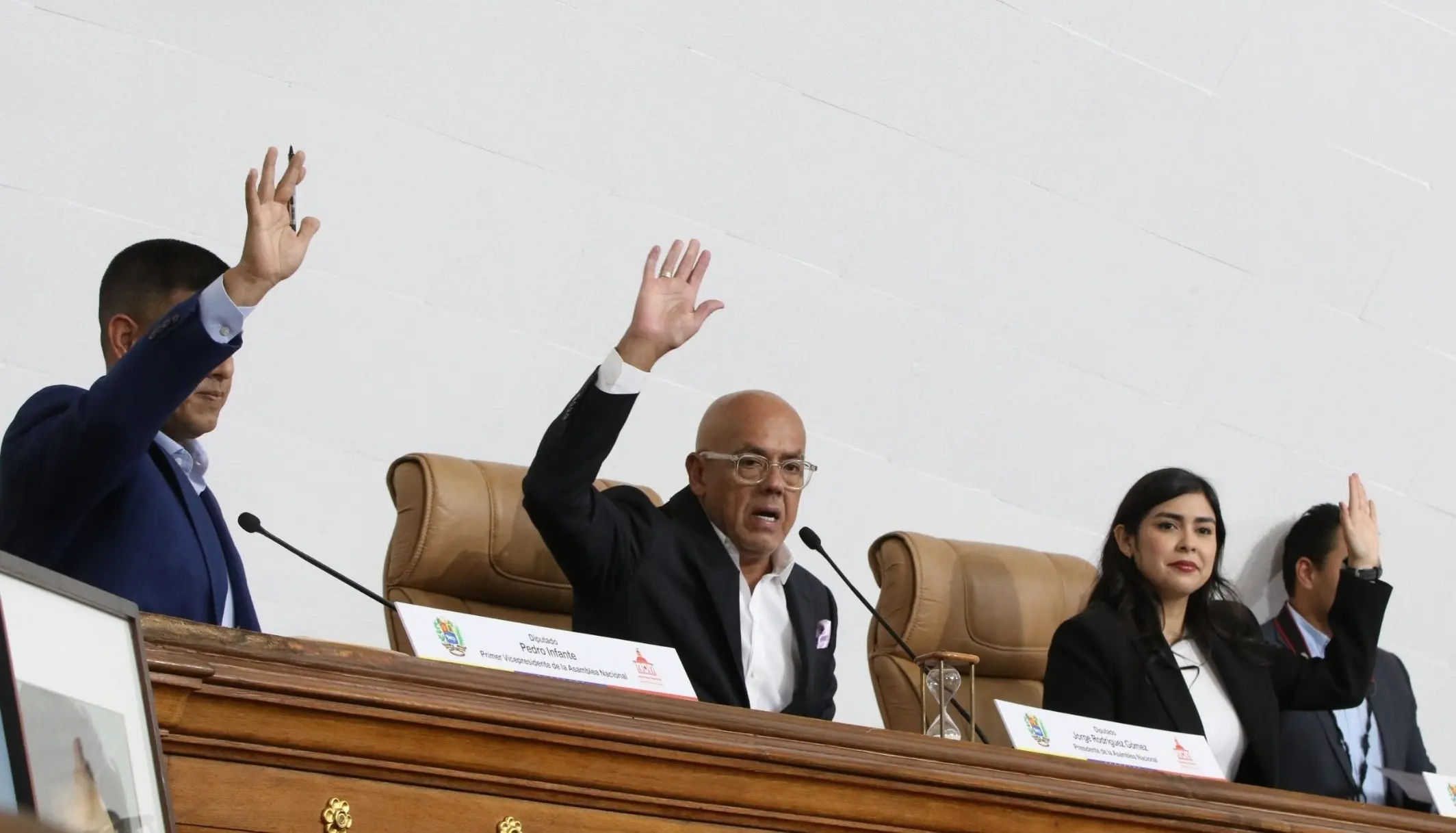
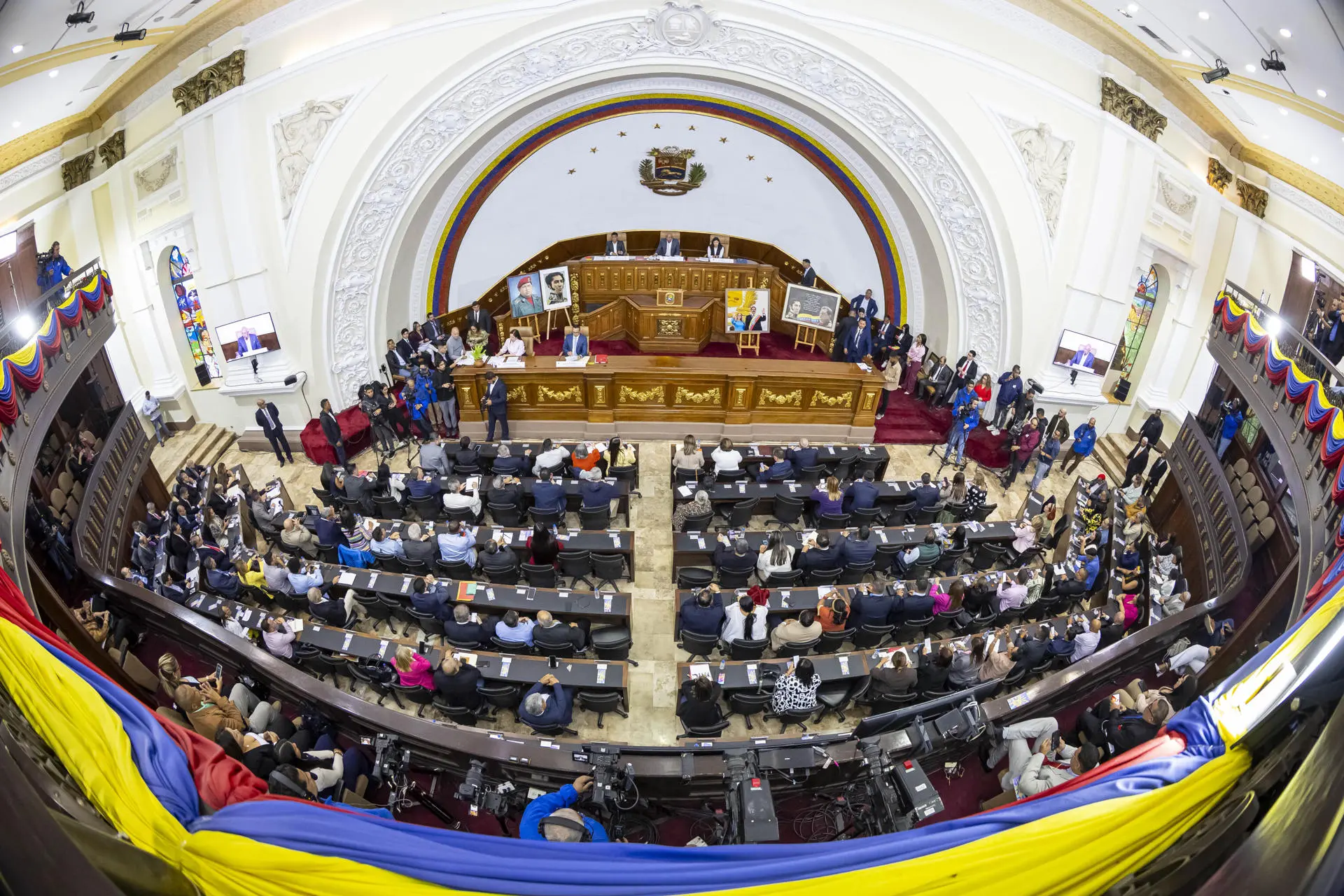
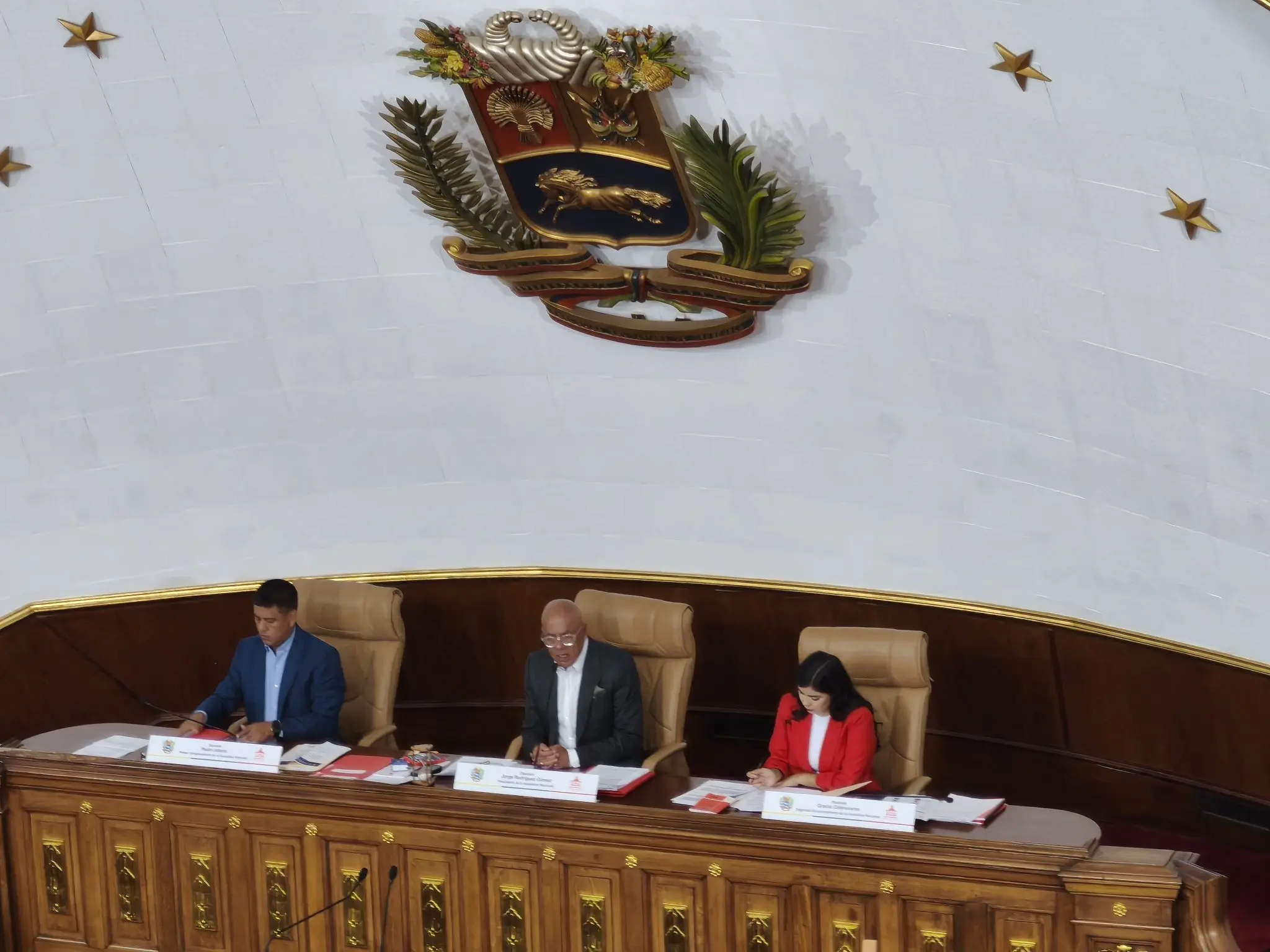
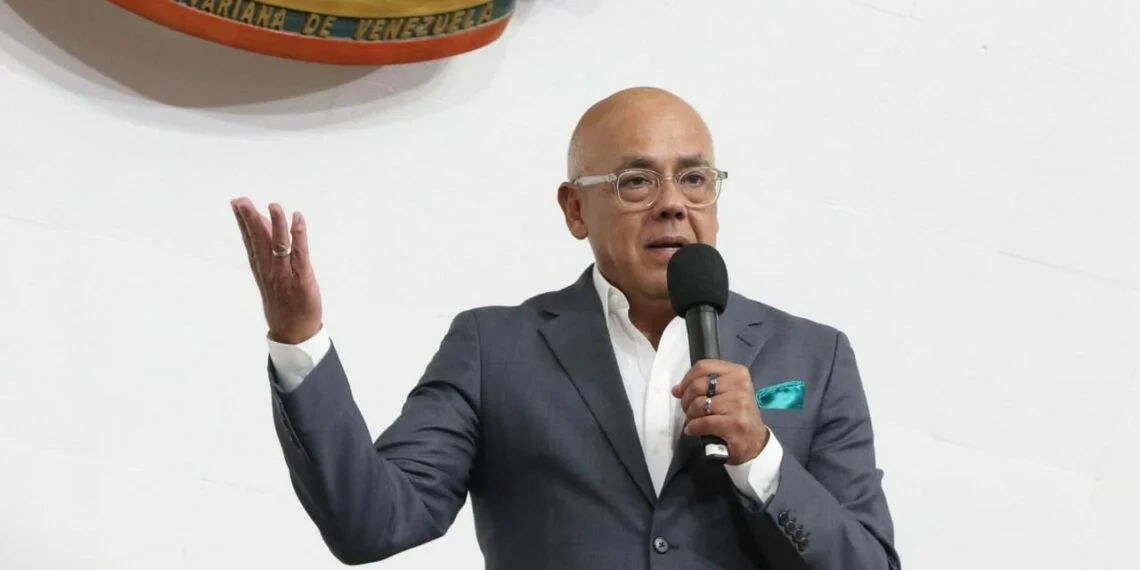
Jorge Rodríguez during the National Assembly’s Advisory Commission, where he presented the 2026-2027 Legislative Agenda. Photo: Con el Mazo Dando
January 20, 2026 Hour: 5:50 pm
🔗 Comparte este artículo
The president of Venezuela’s National Assembly (AN), Jorge Rodríguez, reaffirmed this Wednesday that oil revenues must translate into social well-being. He made these remarks while leading the National Assembly’s Advisory Commission, the body responsible for analyzing, evaluating, monitoring, and implementing the 2026-2027 Legislative Agenda, in accordance with Article 36 of the Internal Regulations and Debates.
During the meeting, Rodríguez emphasized that “oil enshrines the rights of the republic” and stressed that “underground oil must be converted into schools and housing for young people.” In this context, he reported that the Hydrocarbons Law has been established as a strategic pillar of national development, with the objective of ensuring that the responsible and sovereign exploitation of the resource translates directly into social investments.
RELATED:
Venezuela Declares Cuban Fighters Killed in U.S. Attack ‘National Heroes’
According to the Speaker of Parliament, the country’s hydrocarbon wealth must be linked to the fulfillment of fundamental rights through the construction of schools, hospitals, technology, healthcare, housing, and essential public services. This vision positions the State as the guarantor of the equitable redistribution of oil revenue and reinforces a model of energy sovereignty that transcends the purely economic to become a legal pillar of social justice.
Rodríguez noted that, as part of the immediate agenda, the National Assembly will address the three bills presented by Acting President Delcy Rodríguez, based on the new Organic Law on Hydrocarbons. This law seeks to align with the country’s new economic reality and with production models that have proven effective even under conditions of international sanctions.
Furthermore, he announced the intention to carry out a profound restructuring of the Venezuelan legal framework in order to guarantee a “fair and true” justice system, accessible to the entire population and free from external influence. “The country needs a system that doesn’t respond to the whims of influence,” he stated, emphasizing the need to protect the most vulnerable sectors, who often suffer the consequences of their lack of protection.
As part of this legal transformation, Rodríguez proposed the creation of a single Social Code, which would integrate existing social protection laws, including:
Laws protecting women
Laws for Indigenous peoples
Laws protecting families
Laws for scientists and productive sectors
General protection mechanisms for individuals
This initiative, he explained, reflects the spirit of the Bolivarian Revolution, which reclaimed rights historically denied to the majority of the population.
He also proposed the drafting of new legal codes, including:
A new Commercial Code, adapted to digital commerce and cybersecurity;
A Code of Direct Democracy and Communal Power, open to proposals from social organizations;
A new Civil Code, clearer, more coherent, and simpler;
A Code for the Comprehensive Protection of the Venezuelan Family, focused on daily life;
An Electoral Code; and An Environmental Code.
Rodríguez also highlighted the importance of the Organic Law for the Protection of Socioeconomic Rights, which will support the income recovery process promoted by the Executive branch.
Despite sanctions and external difficulties, he noted that Venezuela has experienced exponential income growth, but that this progress requires a stable legal framework that guarantees clarity and protection for the population.
Author: HGV
Source: Con el Mazo Dando